Personal Trainer vs DIY Workout – Best Beginners Approach
Starting a fitness journey is exciting and confusing! With endless workout ideas online, gym classes, and fitness influencers on every screen, it’s easy for beginners to feel overwhelmed. One big question many people ask is:
“Should I hire a personal trainer or just start training on my own?”
Both paths can get you results, and in this article, I’m going to offer some pros and cons for each approach to help you make a decision that is best for you.
And along the way, you’ll also learn how Nicolina Turcan, a personal trainer, can help you succeed faster, safer, and with confidence!
Why This is Important for Beginners

Imagine this: You’ve finally decided to start your fitness journey. You’ve downloaded workout apps, bookmarked exercise videos, and you’ve even bought new gym clothes. But after a few days or weeks, motivation drops. You’re unsure if you’re doing exercises correctly. You wonder if your plan is helping you reach your goals.
Sounds familiar?
That’s exactly why choosing the right first step is so important. Fitness isn’t just about working hard; it’s about having a plan. Let’s explore both options: Personal Trainer and DIY Workout.
Option 1: Personal Trainer – Your Fitness Coach in Your Corner
A personal trainer is like having a fitness guide. They help you learn the right technique adapted to your body, stay focused, avoid injury, and reach your goals faster. Here’s why many beginners love working with a trainer:
1. Personalized Workouts
No cookie-cutter plans! A personal trainer builds workouts just for you — based on your:
fitness level
goals (body recomposition, building strength, improving health)
schedule
past injuries or limitations
Your workout plan becomes unique to you, instead of a random programme from the internet.
2. Proper Form = Fewer Injuries
This is HUGE for anyone, but especially for gym beginners.
Doing an exercise wrong can lead to:
pain
injury
frustration
slow progress
With a trainer guiding you, reps are safer, better, and more effective.
3. Motivation and Accountability
It’s one thing to say you’ll work out.
It’s another thing to show up when someone is waiting for you.
A personal trainer keeps you accountable and helps you stay consistent.
4. Feedback and Real-Time Corrections
When you exercise on your own, you might not know how to fix your form, intensity, or mistakes. A trainer tells you instantly what to do better!
5. Faster Results
Because your workouts are designed for you, and because you stay consistent, results usually come faster. Whether you’re not sure what weight to pick during your exercises, or have hit a plateau and feel like you can’t progress further, working with a personal trainer means your progression strategy can be adapted from programme to programme to help give you build strength consistently.
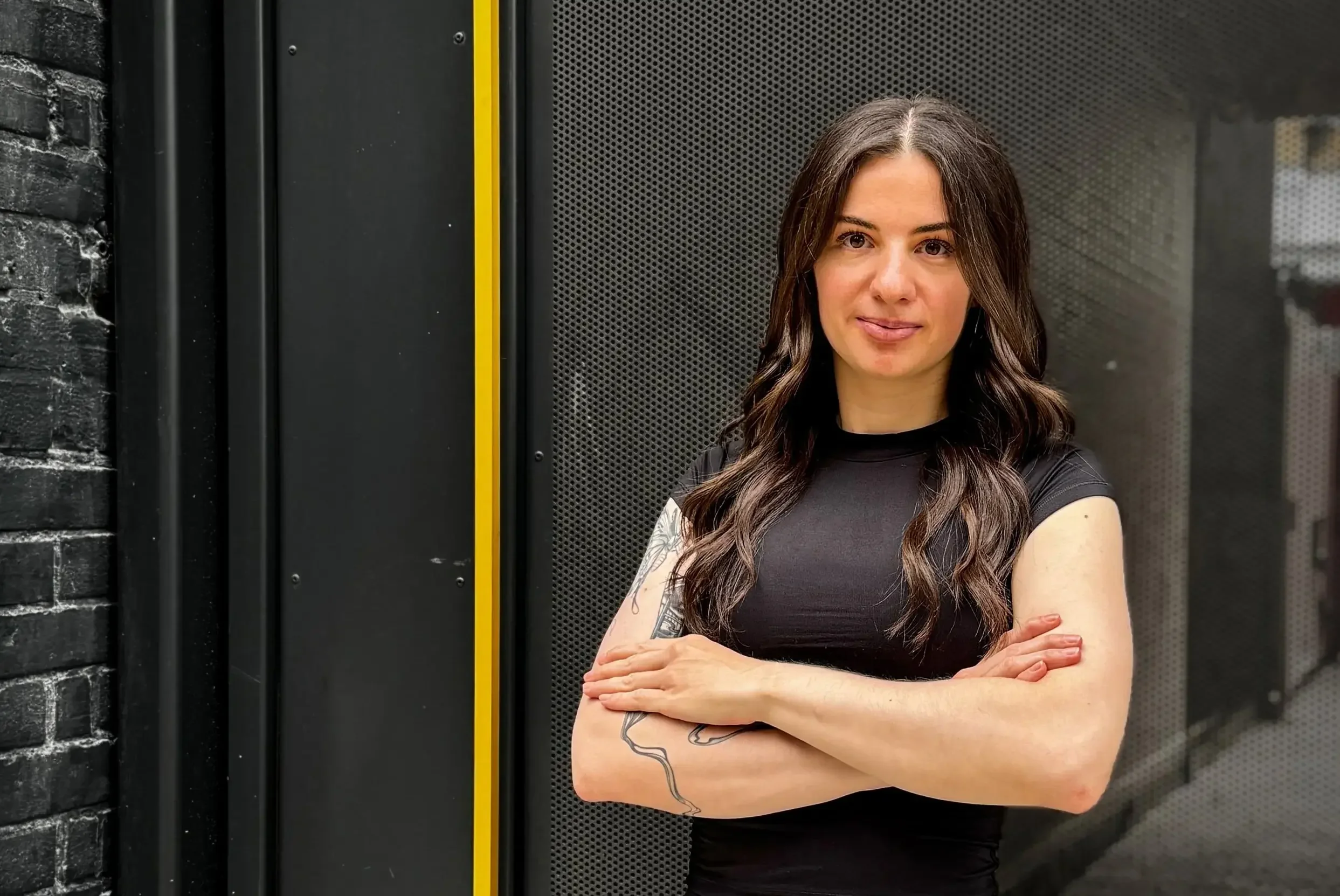
There is also a psychological component. When someone is tracking your numbers and expecting consistency, missed sessions decrease. Accountability often becomes the hidden advantage of professional guidance. For beginners who feel intimidated in the gym, especially women starting strength training, working with a female personal trainer can also create a more comfortable and focused environment.
Option 2: DIY Workout – Workout on Your Own
DIY (Do It Yourself) workouts are exactly what they sound like… You create the plan and follow it on your own. Many people choose DIY because it can be:
1. Affordable
No trainer fees! You use free apps, videos, and gym machines all at your pace.
2. Flexible
You decide when and where to work out, at home, the gym, the park, whatever!
3. Easy to Start
There’s no scheduling with another person. You just pick a time and go.
4. Learning at Your Own Pace
Some people love researching workouts, trying new exercises, and building their own routines.
So DIY workouts can work, especially if you are willing to put in the effort in managing all the variables around your training on your own.
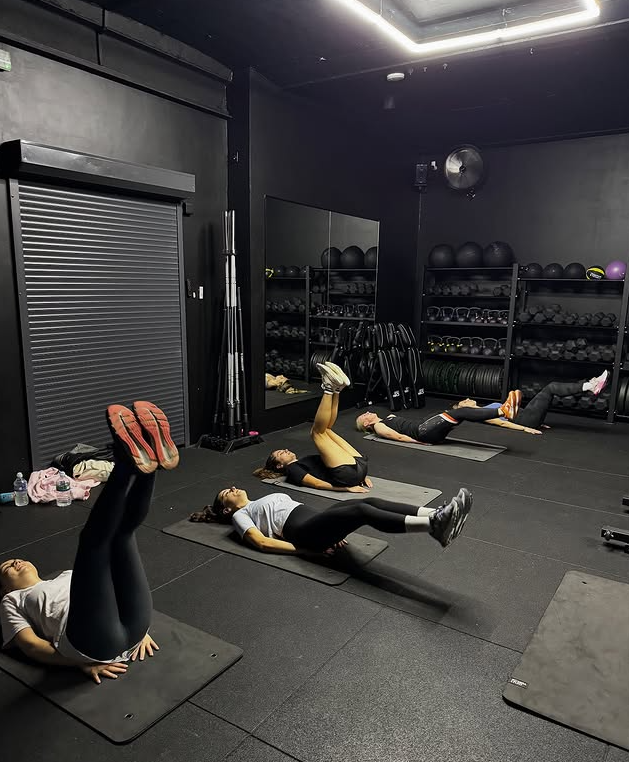
Where DIY Workout Falls Short
The biggest issue with a DIY strength training programme is execution. Beginners usually struggle with:
Incorrect form, especially for free weight movements with barbells and dumbbells
Poor exercise selection
Unsure how to measure progression
Overtraining or undertraining
Setting realistic expectations
Many people believe watching tutorials is enough. In reality, small technical mistakes repeated weekly slow down progress and increased injury risk. This can be compounded if you underestimate recovery and overestimate intensity.
A DIY plan can absolutely work for individuals who are self-motivated, willing to learn and go through trial and error until they arrive at an approach that allows them to stay consistent. However, working with a Personal Trainer can fast track you through this entire process.
Difference Between DIY and Personal Training
Understanding how these two approaches impact progress, technique, and consistency can make it easier to see which path works best for your goals.
| Factor | DIY Workout Plan | Personal Training |
|---|---|---|
| Programme Design | Generic or self-created; may not match your goals | Fully personalised based on your assessment, goals, and recovery |
| Exercise Technique | Self-monitored; mistakes increase injury risk | Corrected in real time, building confidence and safety |
| Progression | Often inconsistent; may advance too fast or too slow | Strategically structured for steady, measurable gains |
| Accountability | Dependent on self-discipline; no accountability for missed sessions | Built into the system, ensures consistent effort |
| Result Speed | Variable depending on how much you are willing to learn | Faster, measurable, and guided by in-depth knowledge |
When analysed objectively, personal training offers a more controlled and efficient pathway. A DIY workout plan can produce results, but it relies heavily on self-knowledge and discipline. For most beginners aiming for visible strength gain or fat loss, structured coaching provides a stronger foundation.
Looking for a Personal Trainer in London?
Starting personal training can feel overwhelming for beginners. Choosing the right approach and knowing what a session involves is key to building confidence, avoiding mistakes, and making consistent progress. In London, Nicolina Turcan offers personalised programmes that combine structured guidance with ongoing support, helping trainees of all levels get results safely and efficiently.
To accommodate different needs and schedules, several types of sessions and plans are available:
Weekly Coaching Plan - Regular in-person sessions with a personalised training programme, ongoing adjustments, and online support for consistent progress.
Bi‑Weekly Coaching Plan - In-person sessions every two weeks, combined with tailored programming and online guidance, balancing professional support with self-training.
Small Group Coaching - 60‑minute sessions shared with up to four people, offering personalised modifications in a group setting. Ideal for social training while still receiving expert guidance.
Build your own Plan - Choose your session length and frequency, and receive a personalised session focusing on exercise fundamentals, proper form, and equipment use, with pricing tailored to your needs.
If you still have questions about how personal training works, what to expect in your first few sessions, or how pricing and progress are handled, you can read through the detailed answers that address the most common concerns.
When you’re ready to move beyond planning and take action, you can get in touch to develop your personalised plan and start training with structure and guidance.
What about a hybrid approach for Beginners?
Start with a Personal Trainer — then use DIY to maintain!
If you’re not ready to commit to a long-term trainer, a combo of Personal Training at the start of your journey followed by DIY workouts can be very effective.
A trainer helps you learn the basics quickly and safely. Once you get the foundation down, you can implement that knowledge and build confident DIY workouts on your own.