7 Things to Know Before Getting a Personal Trainer
You’ve finally decided to get serious about your fitness. Maybe you want to build muscle, feel more confident, or simply have more energy in your daily life. Whatever your reason, hiring a personal trainer can feel like the perfect next step.
But here’s the truth - getting a personal trainer is not just about showing up at the gym and following instructions. It’s a commitment of time, money, and effort. And the better you understand what to expect, the more value you’ll get out of the experience.
Before you take that step, here are some important things you should know.
What to know before getting a personal trainer
1. Your Goals Need to Be Clear (Even If They’re Simple)
Walking into a gym and saying, “I just want to get fit” is very common, but it’s also very vague. A good trainer can help you shape your goals, but you should have a basic idea of what you want.
Ask yourself:
Do I want to lose weight?
Am I trying to build muscle?
Am I preparing for a specific event?
Do I have any injuries or health conditions I need to work around?
You don’t need a perfect plan, but having a direction helps your trainer design a program that actually works for you.
Also, your starting point does not matter when it comes to showing up at the gym. Whether you haven’t worked out in years or you have injuries or limitations, a good personal trainer should design a personalised training routine and give you tips and tricks for outside the gym.
As personal trainers, we see people and work with clients at all points in their journeys and personal circumstances. If you feel judged by your personal trainer in any way, consider finding someone who will make you feel comfortable and at ease during your sessions.
2. What Qualifications Does Your Personal Trainer Have?
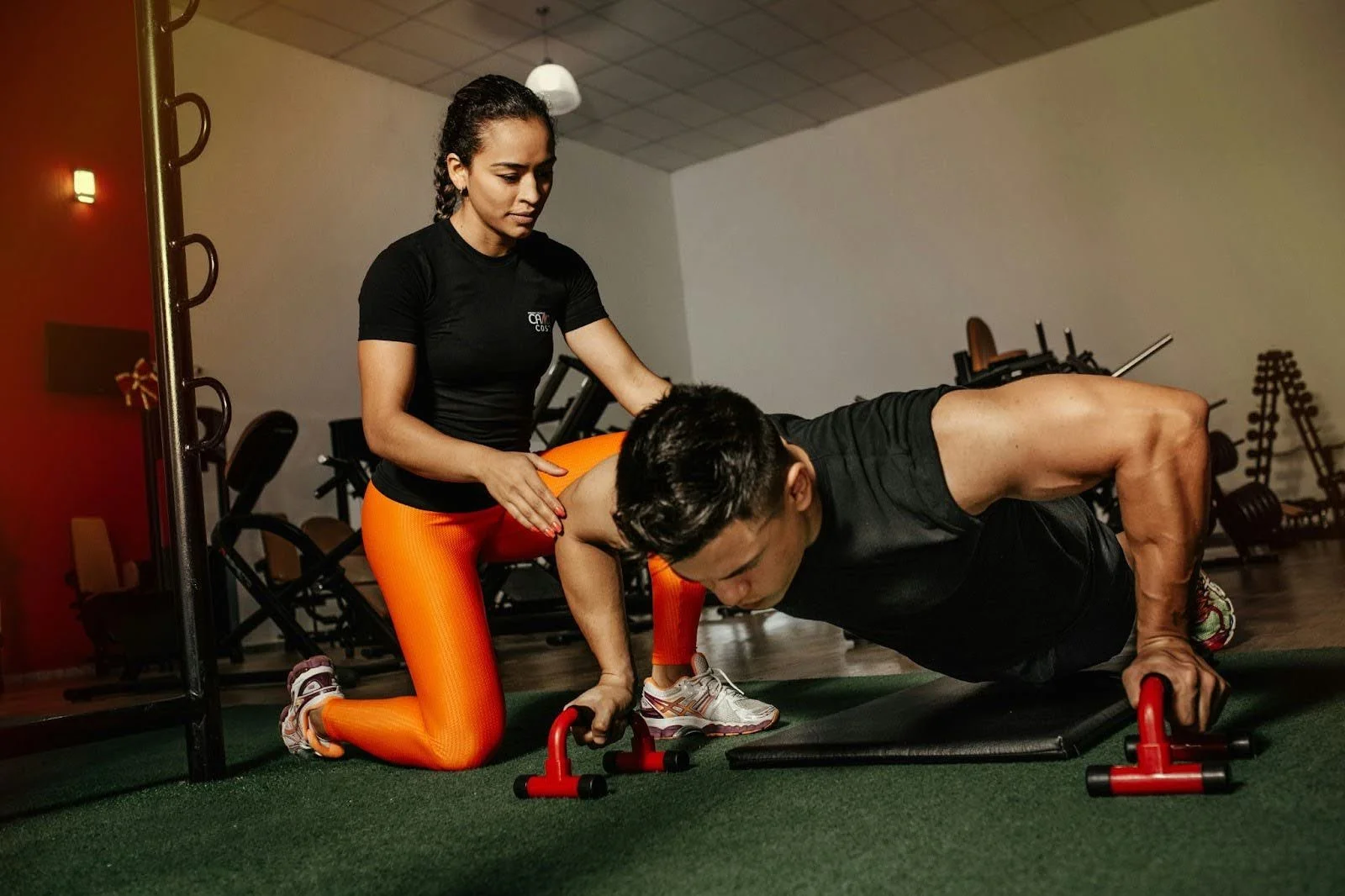
In the UK the fitness industry is largely self-regulated, which means the barrier to calling yourself a personal trainer is lower than most people assume. Someone can complete a short online course and start taking clients within weeks. This is exactly why knowing what to look for matters before you commit to anyone.
The minimum standard is a Level 3 Personal Training certification. But that is just the entry point. What separates a good trainer from a great one is what they have built on top of that foundation, the specialist knowledge, the continued education, and the professional accountability structures they hold themselves to.
Here is what to actually check:
Whether their certification comes from a recognised body like CIMSPA rather than a weekend course
Experience with strength training or resistance training relevant to your specific goal
What is their approach and personal philosophy when it comes to exercise and designing programmes and coaching their clients on how to build sustainable habits
Whether they carry liability insurance, which any serious personal trainer should have without question
A good trainer will never hesitate to share any of this. If they do hesitate, that tells you something worth paying attention to.
3. What Type of Training Does Your Personal Trainer Specialises In?
This is something a lot of people do not think about until they are already a few sessions in.
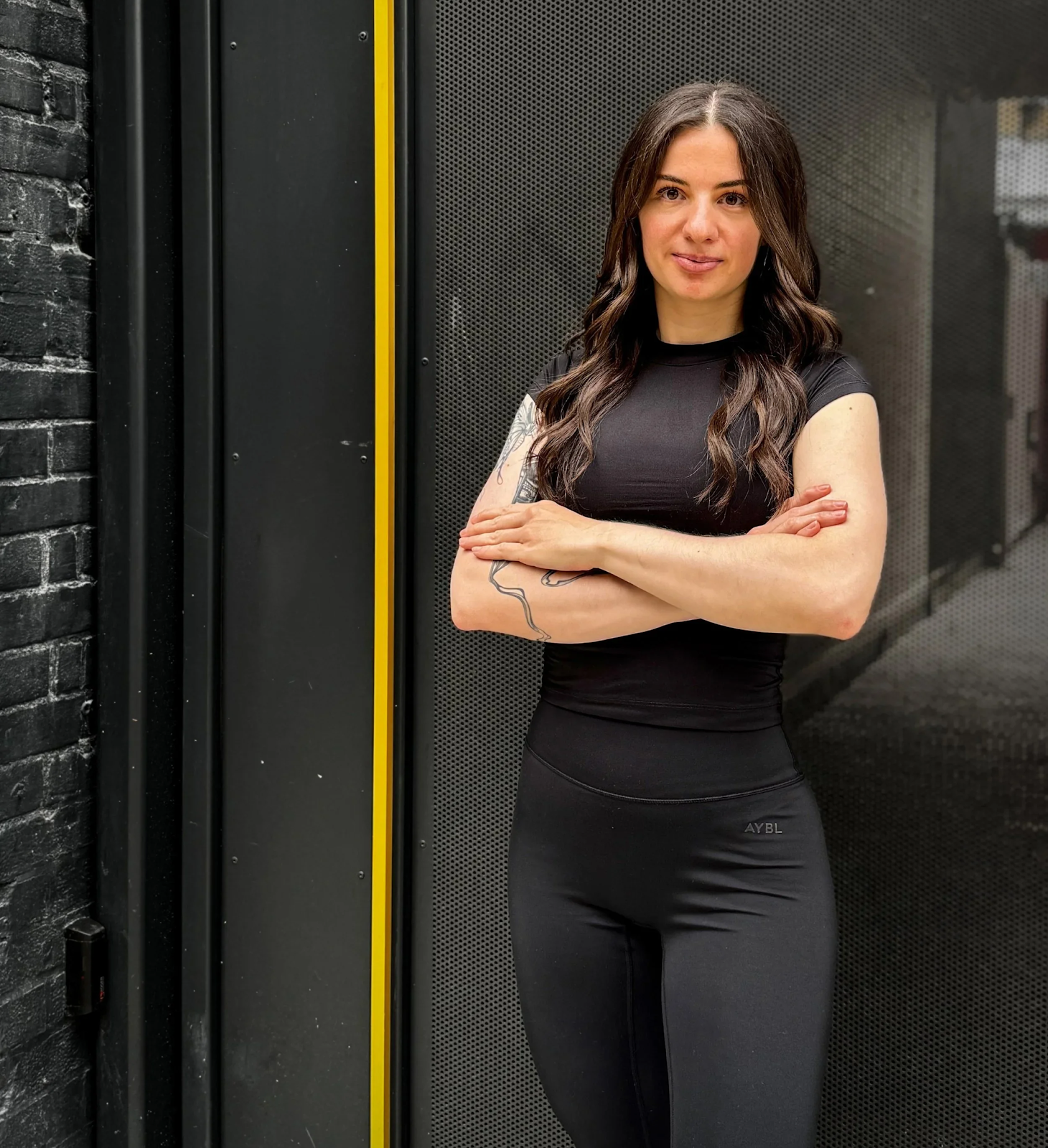
Personal trainers are not all the same. Some focus on weight training and structured strength training, while others work in weight loss programmes, sport performance, or general fitness. The area a trainer specialises in shapes everything, from how they design your programme to which exercises they select and how they plan your progress over time.
Before committing to anyone, ask them directly: who do you typically work with and what does a programme usually look like? The answer will tell you far more than any certificate on their wall.
Tip: If you are looking for a personal trainer in London who specialises in strength training and resistance training, Nicolina Turcan works with people across all levels, from complete beginners to those looking to add structure to their existing training.
Nicolina is also sympathetic to people who are juggling training alongside a full-time job and complicated health conditions, as well as clients with neurodivergence or anyone who may not respond to the typical coaching cues.
4. What Happens in Your First Session With a Personal Trainer?
A good personal trainer does not start with a workout on day one.
They start with an assessment.
Your movement history. Any past or current injuries. Your current activity levels. What you are actually trying to achieve beneath the surface of "I want to get fit." Without that foundation, a trainer is essentially guessing, and guessing with someone's body is not coaching.
The personal trainer will then typically get you to perform a warm up and some foundational exercises to check your current form, level of comfort around the gym, and any injuries or limitations in your movement patterns. This will allow them to incorporate appropriate exercises in the workout plan they design for you.
If a trainer skips this step entirely and goes straight into a workout on day one, pay close attention to that. It is a signal worth taking seriously.
5. How Does a Personal Trainer Track Your Progress?
Progress in strength training and resistance training is measurable, and a good personal trainer treats it that way.
| What Gets Tracked | Why It Matters |
|---|---|
| Is the weight I am lifting going up? | Without tracking intensity (the weight you are lifting), it becomes difficult to ensure that progressive overload is actually taking place. |
| Am I able to perform exercises with better form and technique? | Poor technique is the leading cause of injury in weight training. Learning how to do exercises with good form from the start catches small problems before they become serious setbacks |
| Do I feel more rested and am I getting enough sleep? | Training output is directly affected by how well you are recovering. A trainer who ignores this is missing half the picture |
| How can I progress my training so I can maximise my progress over time? | Bodies adapt. As you are getting stronger, good exercise selection as well as adequately progressing the weight becomes key to getting stronger and improving your body composition over time. |
| Is my body feeling better overall? | Building strength and muscle mass can help individuals with bad posture and back pain from sitting down at a desk all day or long-standing soft tissue pain and discomfort. |
A personal trainer who is not keeping records and adequately adapting your training to your circumstances over time is not coaching. They are just showing up and filling an hour.
6. How Much Does a Personal Trainer Cost?
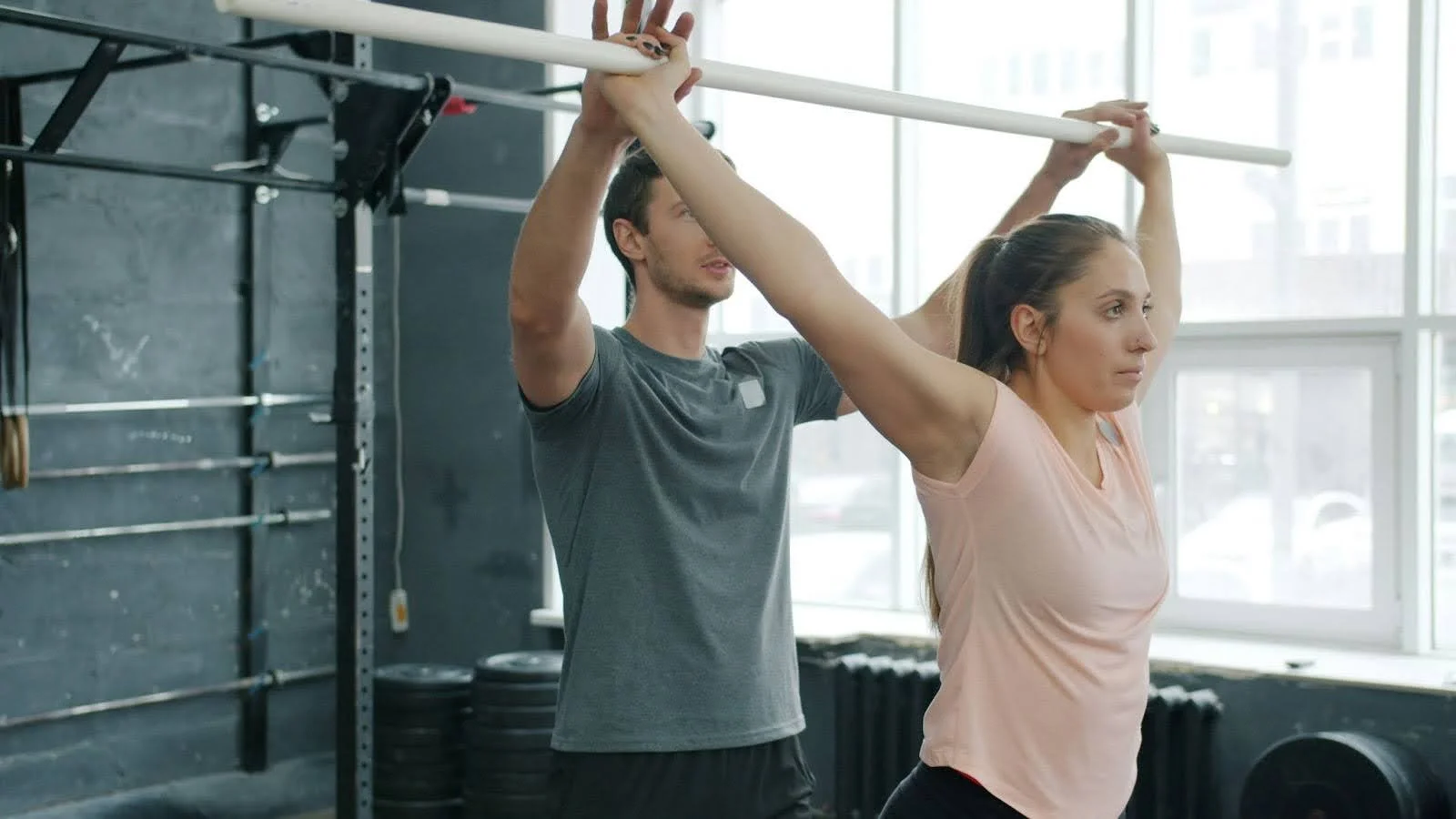
This is the question most people feel awkward asking. It should not be.
In London, personal trainer pricing typically sits between £30 and £300+ per session. But the hourly rate is not the full picture. What you are actually paying for is the programme design that happens outside the gym, regular check ins, ongoing adjustments to your plan, and the expertise that stops you spending months doing the wrong thing.
A cheaper trainer who puts you on a generic programme will cost you more in the long run, in time, in slow progress, and sometimes in injury.
7. What Happens If You Get Injured or Miss Sessions?
Life does not pause for a training plan, and a good personal trainer knows that. An experienced trainer will adapt your programme around a setback rather than cancel it entirely, keeping you moving safely so that progress continues even when things are not going perfectly.
What that actually looks like in practice:
A substitute movement for any exercise you physically cannot do that week.
Lighter or shorter sessions during periods of poor sleep, high stress, or illness.
An adjusted programme if a longer-term injury needs to be worked around over weeks or months.
Find out before you commit how a trainer handles setbacks and missed sessions. It is one of the most honest signals of how they actually work when things get difficult.
Want Personal Training in London?
If you are looking for a personal trainer in London who builds programmes around how you actually live, not a generic plan pulled from a template, Nicolina Turcan offers structured, personalised coaching designed to work with your brain and your body.
Flexible Coaching Plans: Weekly or bi-weekly personal training sessions, or a custom plan built around your frequency and objectives. If you want to exercise with others, 2-1 training and group training options are also available.
Strength Training for All Levels: Whether you are exploring strength training at home, starting weight lifting training for beginners, or looking to pair running with strength training, every programme is built specifically for you.
Personalised Technique Guidance: Real-time corrections during weight training exercises and resistance training exercises, so you build solid habits from the very start. For the sessions you do yourself, you get regular check ins and answers to any questions you may have.
Central London Locations: In-person sessions available at Axiom Fit in Islington and 54 FIT in Soho, making it straightforward to train each week consistently.